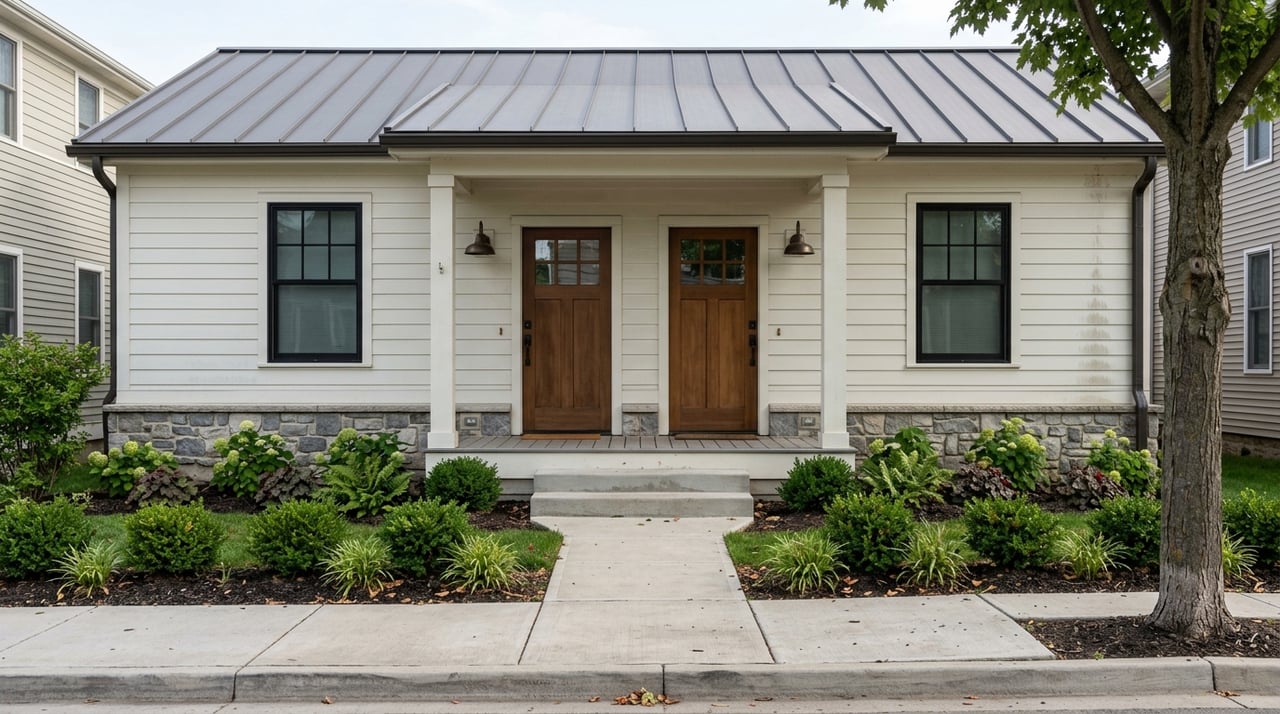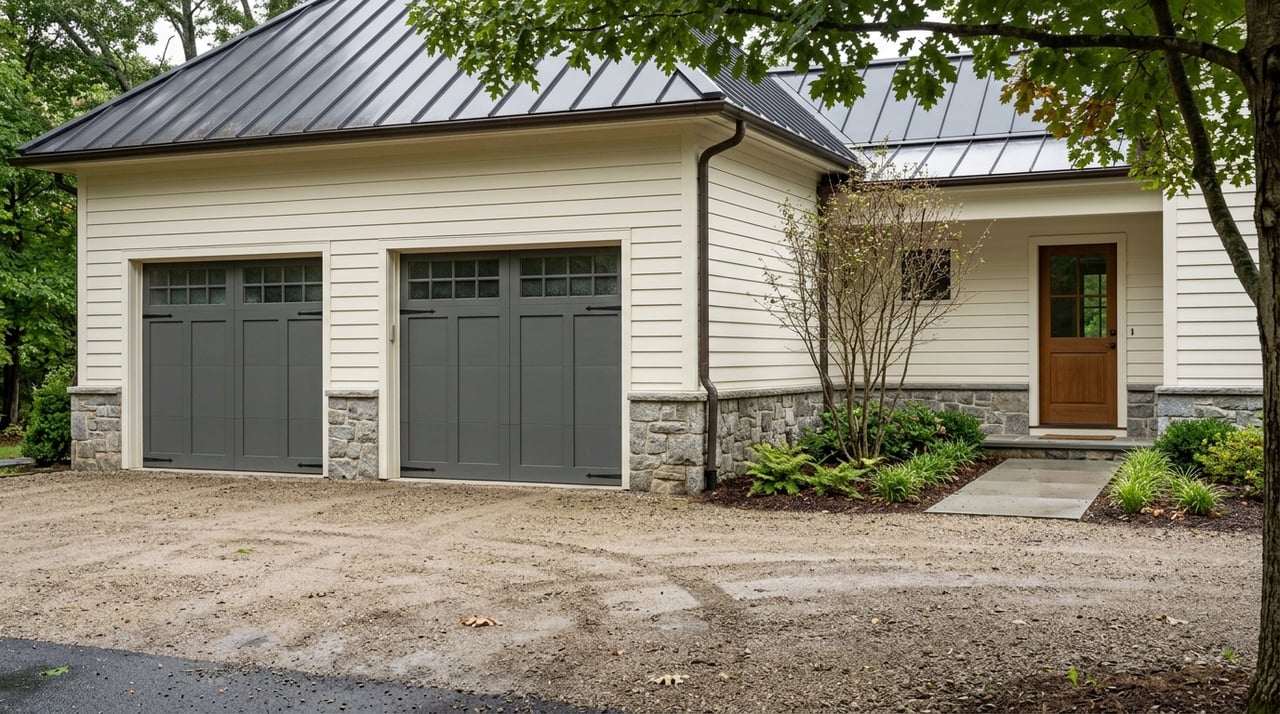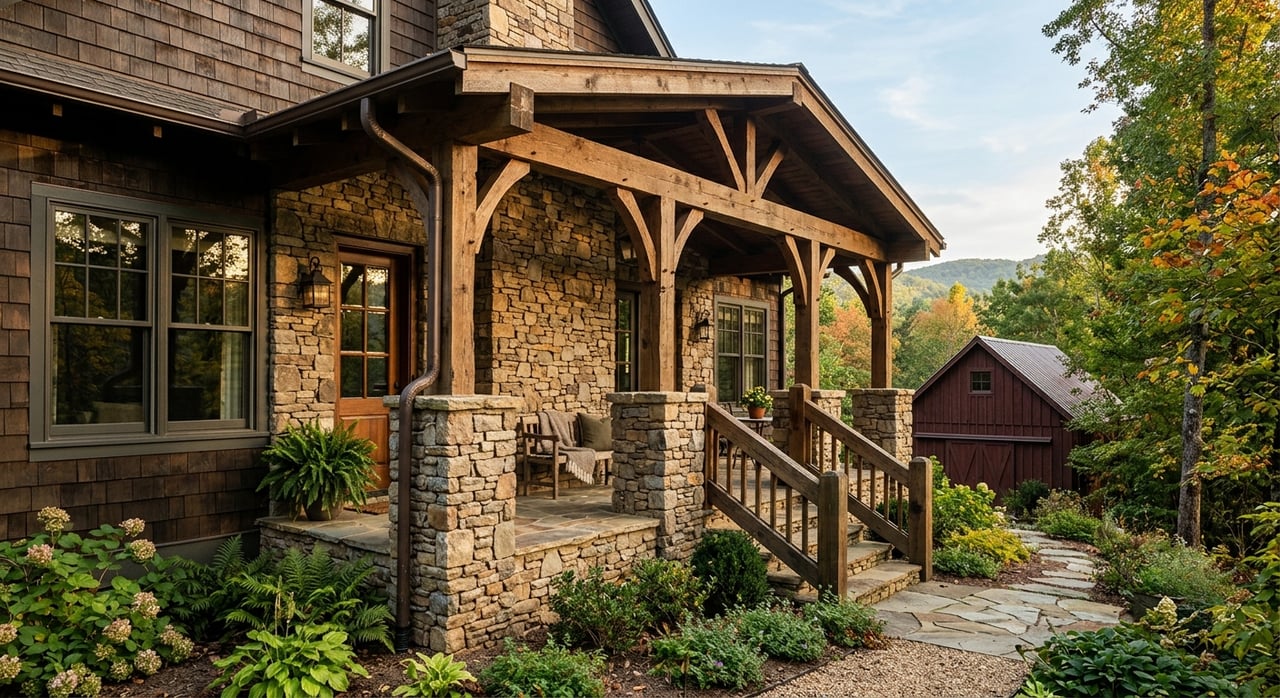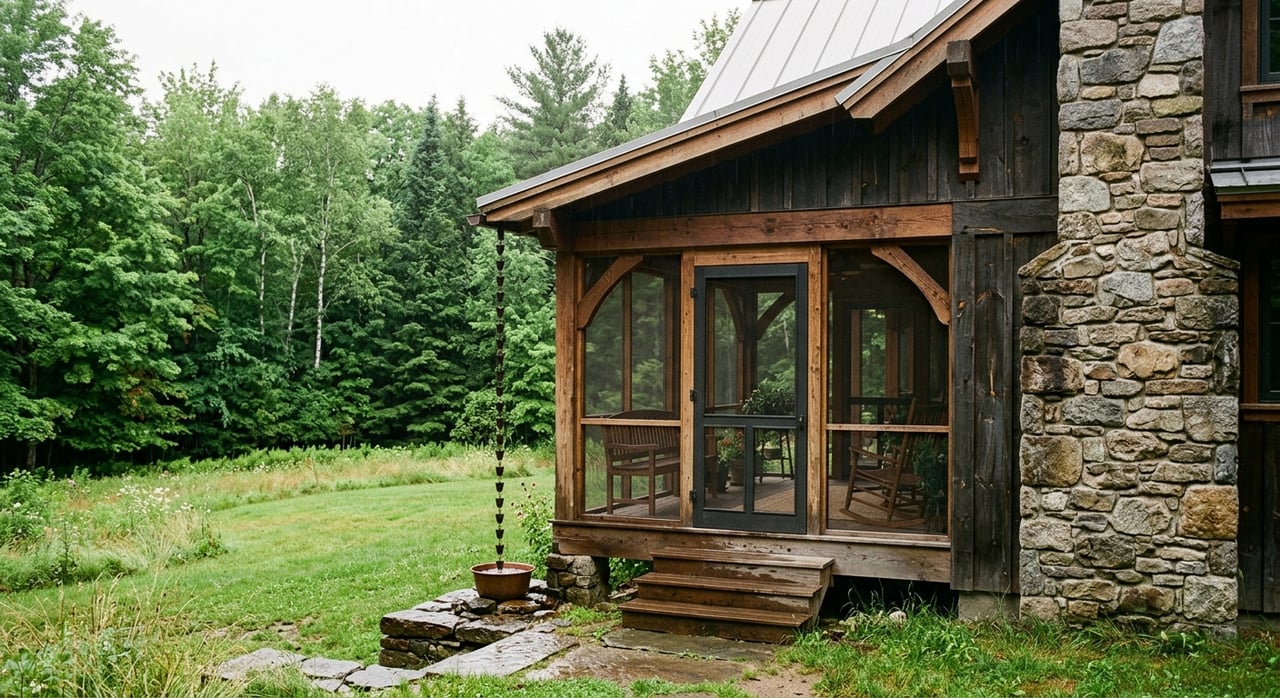
Dreaming about a place where you can slow down, breathe easier, and slip away for weekends or longer stays? Tryon, North Carolina, has that kind of pull. If you are thinking about buying a second home or retreat here, it helps to look past the charm and understand how zoning, access, taxes, utilities, and rental plans could shape your decision. Let’s dive in.
Why Tryon attracts second-home buyers
Tryon sits at the base of the Blue Ridge Escarpment in the Thermal Belt region of western North Carolina. The town highlights its moderate winters, cool summer breezes, rolling scenery, and mountain views as reasons it has long attracted vacation buyers and part-time residents.
Location also plays a big role. Tryon is about four miles west of I-26, which gives you relatively easy access to Spartanburg, Greenville, Asheville, Charlotte, and other regional centers. If you want a retreat that feels tucked away but not cut off, that balance can be appealing.
There is also a strong lifestyle element here. Tryon is known for its equestrian history, outdoor recreation, and small-town resort feel. Harmon Field adds to that identity with equestrian facilities and event space, which helps explain why buyers looking for a horse property, cabin, or quiet foothills getaway often put Tryon on their list.
Polk County adds even more context. County materials describe a heavily forested foothills setting with moderated temperatures and a landscape that ranges from lowlands to higher elevations. With 77.6% of the county forested and 20.2% of the land in farms, the area supports the kind of retreat-style ownership many buyers want.
Start with the property type
Not every second home in Tryon works the same way. A cottage near town, a wooded cabin, and a horse property on acreage can each come with different rules and ownership needs.
That is why the first step is not just asking whether you like the home. It is asking whether the property supports how you plan to use it, maintain it, and possibly improve it over time.
In-town cottages and older homes
If you are drawn to an older home or cottage near town, check whether the property is inside Tryon town limits or within the town’s extraterritorial jurisdiction. The zoning ordinance applies in those areas, and that can affect what you can do with the property.
For historic homes, this matters even more. Tryon’s zoning ordinance includes a Historic Area Overlay District, and exterior changes in a historic district can require a Certificate of Appropriateness before work begins. If your dream retreat includes updates to siding, windows, roofing, or other exterior features, confirm those requirements early.
There is also a practical upside to owning inside town limits. Tryon is a full-service municipality that provides water distribution, wastewater collection, street maintenance, garbage pickup, recycling, and land use planning. For part-time owners, that can make day-to-day ownership a little more manageable.
Cabins, acreage, and horse properties
If you want more privacy, land, or a place that supports horses, do not assume the rules are simple just because the property feels rural. Tryon’s zoning ordinance treats equestrian uses separately from agricultural uses, and that distinction can affect how the land may be used and improved.
Under the ordinance, equestrian uses may include boarding horses, riding lessons, and clinics. It also states that stables or barns must be set back at least 300 feet from abutting residentially zoned property. If your goal is a horse retreat or small farm setup, those details matter.
The ordinance also says equestrian uses are not agricultural uses for zoning purposes. That means a property that looks ideal for horses may still need careful review before you assume it will work the way you want.
On larger lots, accessory structures may also be regulated. If any part of the property is in a Special Flood Hazard Area, accessory structures cannot be used for human habitation and may be subject to added floodplain standards.
Check zoning before you fall in love
Second-home buyers often focus on views, privacy, and charm first. In Tryon, it is smart to check zoning just as early as you check square footage or finishes.
Start by confirming whether the property is inside town limits, in the ETJ, or outside both. That simple question can affect land-use review, permitting, and how future improvements are handled.
If you are buying an older home, ask whether it sits in a historic overlay area. If you are buying acreage, ask how your intended use is classified under the zoning ordinance. If horses, rental use, a studio, or extra structures are part of your plan, make sure the zoning supports it.
Understand flood and terrain issues
In a foothills market, topography matters. A home with a creek, a low-lying section of land, or a steep lot may look beautiful, but those features can also affect cost and usability.
Tryon’s floodplain rules require a floodplain development permit before work in Special Flood Hazard Areas. Certain projects also require FEMA Elevation Certificates. Before closing, check whether the home, driveway, barn site, or planned improvement area falls within a flood hazard area.
Terrain matters beyond flood maps too. Polk County materials describe a landscape that ranges from lowlands to foothills, and that can influence drainage, driveway design, and how easy the property is to access in different conditions. A retreat should feel restful, not full of surprises after closing.
Plan for part-time ownership
A second home is easier to enjoy when the practical details are already covered. In Tryon, that means thinking through utilities, road responsibility, and routine upkeep before you buy.
Tryon’s utility FAQ says water bills are monthly and due by the 15th, and new residential service requires a deposit. The town also offers online bill pay, which can be helpful if you will not be in town full time.
Road responsibility is another smart item to confirm. The town says street issues inside Tryon are handled by the town, while streets outside town limits are directed to NCDOT. Knowing who maintains the road to your property can help you understand access and expectations as a seasonal owner.
You will also want a plan for regular care. Before buying, think about who will handle:
- Mowing
- Leaf cleanup
- Storm damage checks
- Pest control
- Emergency access
- General walk-throughs when the home is vacant
This is especially important if the property sits on wooded land or will be empty for stretches of time.
If you may rent it, verify local rules early
Some buyers want personal use only. Others hope to offset costs by renting the home for part of the year. If rental use is part of your plan, verify the local requirements before you buy.
Tryon’s forms page includes an Occupancy Tax Reporting Form, and the town’s Tourism Development Authority oversees the use of occupancy tax revenue. That suggests local occupancy-tax reporting and remittance may apply if the home will be used as a short-term rental.
The key here is timing. Do not wait until after closing to ask whether rental use is allowed, what paperwork may be needed, or whether zoning affects your plan. Early confirmation can save time, money, and frustration.
Budget beyond the purchase price
A second home budget should include more than your mortgage and insurance. In Tryon and Polk County, parcel-specific taxes and district charges can affect your annual carrying costs.
Polk County’s FY 2025-2026 budget ordinance sets a county property tax rate of $0.4277 per $100 of assessed value. Tryon also approved a FY26 municipal rate of $0.4278 plus $0.1038 for fire.
Some parcels may also be subject to the Harmon Field district rate of $0.0352 per $100. Because district taxes can vary by parcel, ask for the exact local tax breakdown on the property you are considering before you finalize your budget.
A smart second-home checklist for Tryon
If you are serious about buying a retreat in Tryon, keep this short checklist handy:
- Confirm whether the property is inside town limits, the ETJ, or outside both
- Check whether a historic overlay affects exterior changes
- Review flood hazard status and permit needs
- Confirm road responsibility and access
- Verify water service or other utility setup needs
- Ask how your intended use is classified under zoning
- Review whether horse-related plans count as equestrian use
- Confirm rental rules and occupancy-tax reporting if rental income is part of the plan
- Request the exact county, town, fire, and district tax breakdown for the parcel
Why local guidance matters
Buying a second home in Tryon is often as much about fit as it is about price. You may be choosing between charm and convenience, privacy and maintenance, or acreage and zoning complexity.
That is where local, practical guidance can make a big difference. A property that looks perfect online may need a closer review of flood status, historic rules, road access, or equestrian use before it truly fits your goals.
Tryon can be a wonderful place for a second home or retreat, but the right purchase depends on the details. If you want help sorting through cottages, cabins, acreage, or horse properties in the foothills, Team Drumgool can help you look at the big picture and the practical one too.
FAQs
What makes Tryon, NC appealing for a second home?
- Tryon appeals to many second-home buyers because of its moderate climate, mountain and foothill scenery, equestrian identity, outdoor lifestyle, and access to I-26 and nearby regional cities.
What should you check before buying an older home in Tryon?
- You should confirm whether the property is inside town limits or the ETJ and whether it is in a Historic Area Overlay District, since exterior changes may require a Certificate of Appropriateness.
What should horse-property buyers know in Tryon?
- Buyers should know that Tryon zoning treats equestrian uses separately from agricultural uses, and barns or stables must be set back at least 300 feet from abutting residentially zoned property.
How do flood rules affect property in Tryon?
- If a property is in a Special Flood Hazard Area, certain work may require a floodplain development permit, and some projects may also require FEMA Elevation Certificates.
What should part-time owners verify before closing on a Tryon retreat?
- Part-time owners should verify utilities, road responsibility, routine maintenance plans, emergency access, and whether any land-use or permit issues could affect ownership.
What taxes should you budget for when buying in Tryon?
- Buyers should budget for Polk County property taxes, Tryon municipal taxes, the fire rate, and any parcel-specific district taxes such as the Harmon Field district if applicable.
Can you rent out a second home in Tryon?
- If you plan to rent the home, you should verify local zoning, registration requirements, and whether occupancy-tax reporting and remittance apply through the town.