Thinking about leaving a busier area for somewhere quieter, greener, and a little more grounded? Columbus, North Carolina, often catches the eye of buyers who want a foothills lifestyle with a slower pace, but still need practical access to the rest of the region. If that sounds like you, this guide will help you understand what living in Columbus can feel like, what to expect from the housing market, and how to plan a smart move. Let’s dive in.
Why Columbus Appeals to Relocators
Columbus is the county seat of Polk County, set in the foothills of the Appalachian Mountains. Official county information describes it as a foothills community with access to I-26, NC-108, and US-74. That combination is a big reason people consider Columbus when they want a quieter home base without feeling cut off.
If your goal is a more peaceful day-to-day lifestyle, Columbus offers a smaller-town setting with regional road connections in several directions. You can think of it as a car-oriented foothills location that gives you room to breathe while still keeping surrounding towns and services within reach.
What the Foothills Lifestyle Means
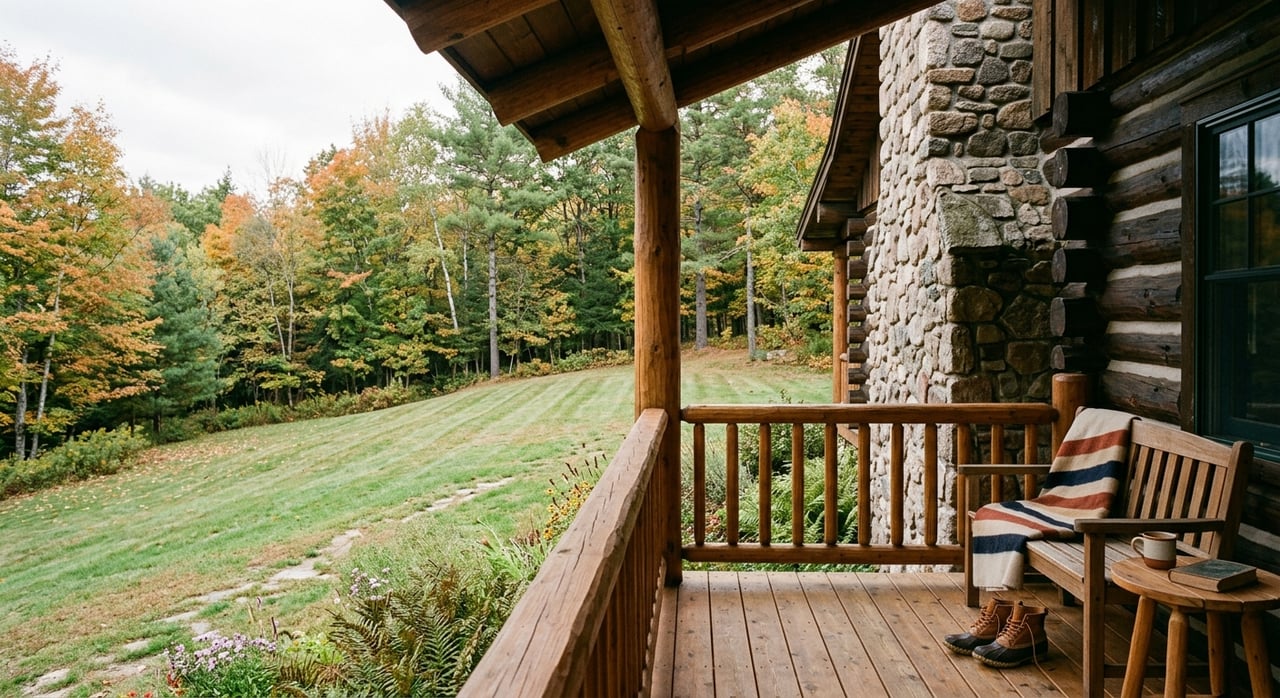
A quieter foothills lifestyle is not just about scenery. It is also about rhythm, space, and how your property supports the way you want to live. In Columbus, that may mean a home with a larger lot, a wooded setting, or simply a less hectic environment than a bigger metro area.
For some buyers, that lifestyle includes land, privacy, or room for outdoor hobbies. For others, it means downsizing the stress of daily life while keeping easy road access for appointments, shopping, or visits to nearby cities. Columbus can fit several of those goals, which is part of its appeal.
Getting Around From Columbus
Regional road access
According to the town’s comprehensive plan, NC-108 is a key corridor linking Columbus with Tryon and Rutherfordton. Many residents also use NC-108 to connect to US-176 and Landrum, South Carolina.
The same plan notes that US-74 runs north toward Gastonia and Charlotte, while I-26 runs south toward Greenville and Spartanburg and north toward Hendersonville and Asheville. For buyers relocating from outside the area, that means Columbus works best as a regional driving hub rather than a transit-based community.
Airport options
The comprehensive plan also points to access to Hendersonville Airport, Asheville Regional Airport, and Greenville-Spartanburg International Airport. If you expect regular travel or family visits, those airport options can be an important part of your relocation decision.
That said, airport convenience in the foothills usually comes with some drive time. If frequent flights matter to you, it is worth mapping your likely routes before you commit to a specific home.
What to Expect From the Columbus Housing Market
Columbus is a small market, and that matters. In a market with fewer homes and fewer sales, pricing can shift a lot depending on the type of property, the timing, and the source you are looking at.
Recent public-market snapshots show that Columbus is not especially competitive, but they also show wide variation in prices. One source reported a median sale price in the mid-$200,000s over a recent three-month period, while others showed average values and listing prices much higher. Another source reported more than 100 homes for sale, a median listing price above $600,000, and a median sold price in the low-$400,000s in May 2026.
The practical takeaway is simple: do not rely on one headline number. In Columbus, the price of a property can vary materially based on whether you are looking at land, a smaller in-town home, an acreage property, or a more lifestyle-driven foothills house.
Why prices vary so much
In a smaller foothills market, a handful of unique homes can quickly skew the numbers. A property with acreage, outbuildings, or premium views may sit in a very different pricing lane than a modest single-family home.
That is why local guidance matters so much when you relocate. You want to compare homes by function, land use, access, and condition, not just by square footage or an online estimate.
Temporary Housing Can Be Limited
If you plan to visit first and rent short term while you search, build that into your timeline early. Realtor.com showed only a small number of homes for rent in Columbus.
In practical terms, that means temporary housing may be limited. If you need a place to stay during a scouting trip or while you complete a purchase, it is smart to plan ahead rather than assume you will have plenty of options.
Climate and Seasons in Columbus
One of the more interesting features of this area is its connection to the Thermal Belt. Polk County describes this foothills zone as having a more even climate than nearby areas at comparable altitude and latitude.
County materials note that cold air is often moderated, winter daytime temperatures usually rise above freezing, summer afternoons are warm, and evenings tend to cool down quickly. Some snow falls almost every winter, so you should still expect four seasons, just with conditions that can feel gentler than in higher mountain towns.
Why property location still matters
Even in the same town, weather can feel different from one property to the next. Elevation, slope, tree cover, and site exposure all influence how a home feels in winter and summer.
If you are relocating from out of state, it helps to ask how the specific property sits on the land. A home’s setting can affect comfort, maintenance, and even your day-to-day use of outdoor space.
Affordability and Local Tax Context
When you relocate, monthly costs matter just as much as purchase price. Polk County’s median household income is lower than both the North Carolina and national figures, which is useful context when you compare local pricing and cost expectations.
On the tax side, North Carolina’s individual income tax rate is 3.99% for tax years after 2025, and Polk County’s sales and use tax rate is 6.75%. The most recent county budget information in the research also listed a countywide property tax rate of $0.5343 per $100 of assessed value for fiscal year 2025, along with a Columbus fire-district levy of $0.1175 per $100.
Because local tax rates can change year to year, you should always confirm current figures before closing. Even so, understanding these basic categories early can help you build a more realistic monthly budget.
Smart Ways to Plan a Columbus Move
Use scouting trips carefully
Because Columbus is a smaller market with varied property types, a quick drive-through may not tell you enough. If possible, use your trip to compare different settings, such as in-town homes, wooded parcels, and properties with more land.
You should also pay attention to road access, slope, privacy, and travel times to the places you expect to visit often. In the foothills, lifestyle fit often comes down to those practical details.
Be ready for remote decision-making
Many relocators cannot make repeated trips before buying. In that case, it helps to narrow your priorities early, such as lot size, ease of access, maintenance level, or whether you want land for outdoor use.
If you are considering acreage or a more rural property, ask extra questions about how the land functions. A beautiful setting is important, but so is knowing whether the property works for your daily life.
Why Due Diligence Matters in North Carolina
If you are buying from out of state, North Carolina’s due-diligence period is especially important. According to the North Carolina Real Estate Commission, buyers commonly use that time to investigate home, pest, and septic inspections, a survey, appraisal, title search, loan qualification and application, and repair negotiations.
This is one of the most important tools you have as a relocating buyer. It gives you a structured window to verify the property, understand its condition, and make informed decisions before closing.
Inspections and reports
The NCREC says licensed home inspectors must provide a written contract and a written report. It also advises that brokers recommend only licensed inspectors and review the full report, not just the summary.
For you, that means inspections should never be treated like a quick checkbox. A full review of the report can help you spot issues that matter more in foothills and rural properties, especially when you are buying from a distance.
Closing coordination
North Carolina closings should be planned early. The NCREC advises that the parties choose the closing attorney, and North Carolina Bar guidance says a closing must be handled by a licensed attorney or by a non-attorney acting under attorney supervision.
The NCREC also recommends coordinating your lender, home inspector, surveyor, and closing attorney early so due-diligence and closing deadlines are realistic. For relocators, that coordination can make the difference between a smooth transaction and a stressful one.
Ask for disclosures early
Most residential sellers in North Carolina must provide the Residential Property and Owners' Association Disclosure Statement and the Mineral and Oil and Gas Rights Mandatory Disclosure Statement before the offer. If you are buying remotely, ask for those documents early.
Those disclosures can help you decide whether you need a second visit, a specialty inspection, or more follow-up questions before moving forward. That extra clarity is especially valuable when you are trying to make a decision from another city or state.
Who Columbus May Fit Best
Columbus may be a strong fit if you want a quieter foothills setting, regional road access, and a housing search that includes anything from simpler homes to larger lifestyle properties. It can also appeal to buyers who value space, privacy, and a less rushed environment.
At the same time, it helps to arrive with realistic expectations. This is a smaller market, inventory can be mixed, pricing can swing, and many properties require a closer look at land use, site conditions, and access.
Local Guidance Makes a Difference
When you relocate to a foothills market, the right home is not always the one with the flashiest photos. It is the one that supports your daily routine, your budget, and the kind of quiet you are actually looking for.
That is where local guidance can be valuable. Whether you are searching for a low-maintenance home, a property with acreage, or a place that gives you breathing room without losing road access, a steady, informed approach helps you buy with more confidence.
If you’re considering a move to Columbus or anywhere in the Western North Carolina foothills, Team Drumgool can help you sort through the options and find a property that truly fits your lifestyle.
FAQs
What is Columbus, NC like for relocation buyers?
- Columbus is a small Polk County foothills town that appeals to buyers looking for a quieter lifestyle with access to I-26, NC-108, and US-74.
Is Columbus, NC a good fit for buyers who want a slower pace?
- Columbus may be a good fit if you want a calmer day-to-day setting, a car-oriented lifestyle, and access to surrounding foothills communities and regional routes.
How competitive is the Columbus, NC housing market?
- Public market data suggests Columbus is a smaller and less competitive market, but prices can vary widely depending on property type, inventory, and the source of the data.
Are rental options limited in Columbus, NC?
- Yes, available rental inventory appears limited, so if you need short-term housing during your move, it is wise to plan early.
What should out-of-state buyers know about buying in Columbus, NC?
- Out-of-state buyers should use North Carolina’s due-diligence period carefully, review disclosure documents early, and coordinate inspections, lending, survey work, and the closing attorney as soon as possible.
What is the climate like in Columbus, NC?
- Columbus is in Polk County’s Thermal Belt area, where conditions are often more even than nearby areas, with four seasons, warm summer afternoons, cooler evenings, and some winter snow.
Why do home prices in Columbus, NC vary so much?
- In a small foothills market, prices can swing based on property type, acreage, home condition, and the number of recent sales included in a data sample.