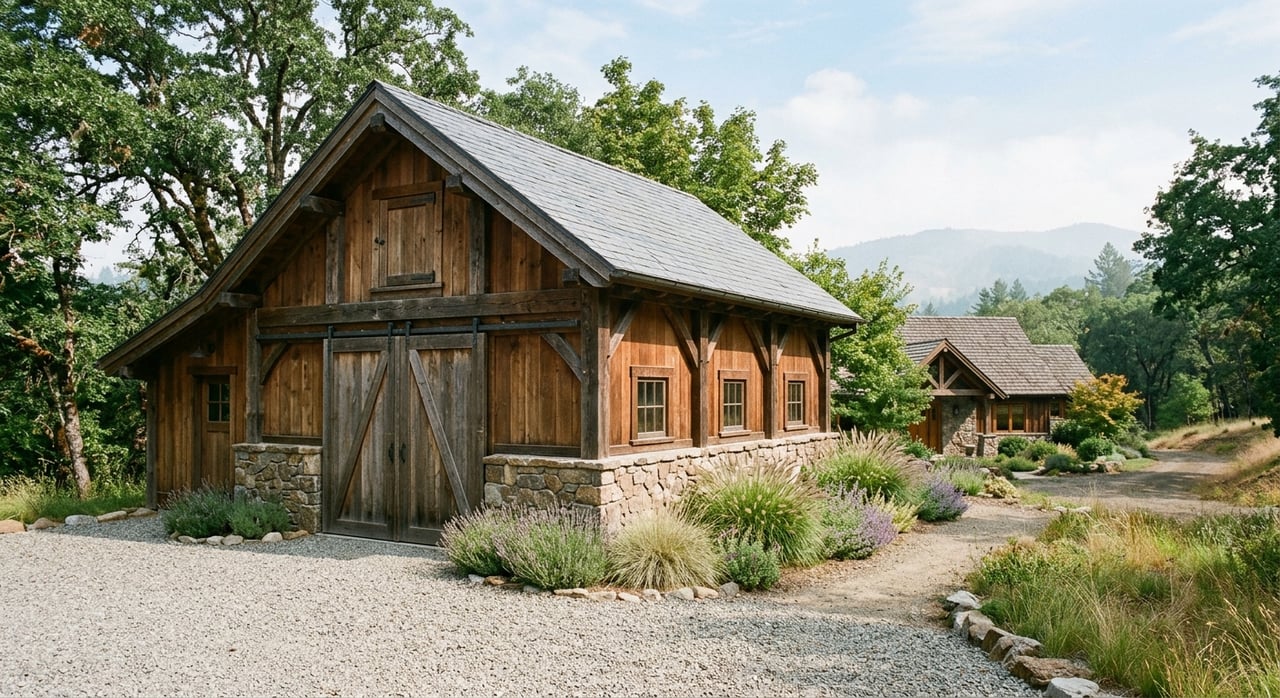
If you are shopping for a horse-friendly home in Landrum, it is easy to get distracted by pretty acreage and a charming barn. But a property that looks perfect at first glance may not work well for your horses, your trailer, or your day-to-day routine. The good news is that Landrum sits in a well-known foothills equestrian corridor, and with the right checklist, you can focus on the features that truly matter. Let’s dive in.
Why Landrum Appeals to Horse Buyers
Landrum is part of the broader Tryon equestrian region, and that matters if you want a home that supports an active horse lifestyle. The City of Landrum notes that horseback riding is a popular local activity, and the Annual Block House Steeplechase is just five minutes from downtown.
This location also connects you to a wider network of riding and competition resources. Landrum’s official history points to FENCE trails, the Palmetto Trail, and easy access south to Greenville and Spartanburg and north to Asheville. For many buyers, Landrum feels less like one small town and more like the South Carolina side of a larger foothills horse community.
Start With Land That Works
A horse property should function well before it looks impressive. Usable turnout, reliable footing, and practical management space often matter more than the total number of acres on paper.
Clemson Extension uses roughly two acres per horse as a helpful rule of thumb for equine pasture management. At the same time, stocking rates depend on forage conditions and how well the land is managed, so acreage alone does not tell the full story.
Check pasture condition
When you tour a property, look beyond the green color of the grass. Clemson Extension recommends soil sampling, lime and fertilizer as needed, weed control, and rotational grazing to keep South Carolina pastures productive.
That means a smaller, well-managed property may serve you better than a larger one that has drainage issues or worn-out fields. Ask yourself whether the pasture looks usable now and whether it could support a good management plan going forward.
Look for a dry lot or sacrifice area
Wet weather can quickly turn turnout into mud, and that creates both maintenance and hoof-care concerns. Clemson Extension recommends a well-drained dry lot or sacrifice area for wet-weather turnout.
This is one of the most overlooked features in horse-friendly homes. If the property has no practical place to keep horses off saturated pasture, you may face more wear and tear on the land.
Evaluate the Barn for Safety and Daily Use
A barn should support your routine, protect your horses, and hold up well over time. Function comes first, especially if you plan to feed, tack up, load, or manage horses there every day.
Extension guidance says horse barns should be evaluated for drainage, ventilation, lighting, safe surfaces, and access for trailers and maintenance equipment. In short, a pretty barn front does not tell you enough.
Stall size and layout matter
A 12-by-12 stall is the standard benchmark noted in extension guidance. Enclosed horse housing should also have sturdy walls, secure doors, and no gaps that could catch a hoof.
As you walk through a barn, notice whether the layout feels easy to use. Tight aisles, poor airflow, dark corners, and awkward storage can make a barn less practical than it first appears.
Watch for airflow and drainage
Landrum’s foothills setting can be beautiful, but moisture management still matters. Barns need good ventilation and proper drainage so horses are not standing in damp, unhealthy conditions.
Pay attention to whether water seems to move away from the structure. Also notice whether the barn feels bright and breathable, rather than closed in and stale.
Inspect Fencing and Gates Closely
Fencing is one of the most important safety features on a horse property. It should help protect your horses, the people handling them, and nearby property.
Extension guidance says a horse fence should be highly visible, free of sharp edges, and designed so that a head or hoof cannot get trapped. Perimeter fences are generally about five feet tall, while dividing fences are typically 4.5 to 5 feet.
Ask practical fencing questions
As you tour the property, take a closer look at:
- Fence height and visibility
- Sharp hardware or broken boards
- Areas where a hoof or head could get caught
- Gate width for equipment and trailer movement
- Whether fencing layout supports turnout rotation
A fence that looks acceptable from the driveway may reveal problems once you walk the full perimeter. This is especially important if the property has multiple paddocks or irregular terrain.
Make Sure Trailer Access Is Easy
For many horse owners, driveway layout matters almost as much as the barn. If you haul out for lessons, clinics, or shows, poor access can become a constant frustration.
Extension guidance on equine facilities stresses the importance of separating horse and vehicle traffic, keeping loose horses away from roadways and parking areas, and parking trailers in a safe location free of obstacles before loading.
Look at traffic flow, not just parking
A horse-friendly property should let you move safely and efficiently. That includes enough room to turn a trailer, park it, and load or unload without tight corners or risky backing situations.
As you evaluate a home, consider these questions:
- Can a truck and trailer enter and exit without difficulty?
- Is there a safe, clear area to park away from horse traffic?
- Could loose horses accidentally access the driveway or road?
- Is there enough room for deliveries, manure removal, or maintenance equipment?
These details can make a big difference in how easy the property is to live with every day.
Confirm Water, Utilities, and Drainage
Dependable water access is essential on any horse property. You also need to think about runoff, erosion, and the way manure and soil movement may affect the site over time.
Inside the City of Landrum, the city lists garbage service, Spartanburg Water Systems and Sanitary Sewer District for water and sewer, and local propane contacts. Utility setup will vary by property, so it is worth confirming how the home and any horse facilities are served.
Drainage should never be an afterthought
Runoff control matters because manure and eroded soil can affect water quality. When you visit a property, look for signs of standing water, muddy gateways, washed-out slopes, and low areas around barns or feeding zones.
A property with strong drainage can be easier to maintain and more comfortable for both horses and people. It can also help protect the long-term usability of the land.
Consider Access to Riding and Competition
One of Landrum’s biggest advantages is its location within a dense equestrian corridor. That can be a major plus whether you ride for pleasure, train regularly, or compete.
FENCE offers miles of hiking and riding trails, lighted show rings, a covered arena, and stabling for more than 300 horses in 11 barns. The trail system is open daily from dawn to dusk, giving riders another nearby option beyond their own property.
Tryon International in Mill Spring is another important regional venue. It hosts equestrian competition year-round, with a robust schedule from March through November.
DuPont State Recreational Forest also expands the trail-riding picture on the North Carolina side. The North Carolina Forest Service says equestrians may use nearly all trails there, with horse-trailer parking encouraged at Guion Farm and Lake Imaging. Riders should also be prepared for heavy multiuse traffic in popular areas and have proof of a negative Coggins test available.
Nearby facilities add even more flexibility. Harmon Field in Tryon includes rings and stables, while Clear View Farm in Landrum and Renovatio Farm in Tryon describe themselves as training and boarding facilities.
Understand Local Due Diligence Before You Buy
One of the biggest questions in Landrum is whether a property sits inside the City of Landrum or in unincorporated Spartanburg County. That difference can affect what you may need to verify before making changes to the property.
The City of Landrum says a site plan may be required for a new or altered building or for a change of use, and the city code list includes animals. Spartanburg County says it does not use traditional parcel-level zoning in the unincorporated county, relying instead on development regulations and setbacks.
Verify your plans before closing
If you plan to add or change horse facilities, do not assume the property will automatically fit your goals. Barns, fencing, driveway work, sheds, outdoor lighting, and trailer storage should all be checked carefully before closing.
It is also wise to review setbacks, access, drainage, and any private covenants. In many cases, these details matter just as much as the size of the tract.
A Simple Horse-Property Checklist
As you compare Landrum horse-friendly homes, keep your focus on the features that support safe, practical daily living. The strongest properties often combine location and functionality, not just curb appeal.
Use this quick checklist as you tour homes:
- Usable pasture with management potential
- Roughly appropriate acreage for your horse goals
- A well-drained dry lot or sacrifice area
- Safe, visible fencing and practical gates
- A breathable barn with good drainage and lighting
- Standard-sized stalls and secure construction
- Trailer-friendly driveway access and parking
- Dependable water access and workable utilities
- Reasonable access to trails, training, or competition venues
- Clear due diligence on city or county rules before closing
In practical terms, the best Landrum horse properties are the ones that bring together safe fencing, a functional barn, workable turnout, trailer-ready access, and easy reach to the Tryon-Landrum equestrian corridor.
If you want help sorting through horse-friendly homes in Landrum, Team Drumgool brings practical foothills real estate guidance with an understanding of how equestrian properties need to work in real life.
FAQs
What should you look for in a Landrum horse-friendly home first?
- Start with usable land, safe fencing, barn function, water access, drainage, and trailer-friendly access before focusing on cosmetic details.
How much land do you need for horses in Landrum, SC?
- Clemson Extension uses roughly two acres per horse as a rule of thumb, but actual needs depend on pasture condition, forage management, and turnout setup.
What barn features matter most in a horse property?
- Key features include ventilation, drainage, lighting, safe surfaces, secure stall construction, and enough access for trailers and maintenance equipment.
Why does trailer access matter in a horse-friendly home?
- A workable driveway and parking layout can make loading, unloading, deliveries, and daily movement safer and much easier.
Is Landrum close to trails and equestrian venues?
- Yes. Landrum is part of the Tryon equestrian region and offers access to nearby resources such as FENCE, the Block House Steeplechase area, Tryon International, and DuPont State Recreational Forest.
What zoning or property checks should you make before buying in Landrum?
- You should confirm whether the property is inside the City of Landrum or in unincorporated Spartanburg County, then review any site-plan needs, setbacks, access limits, drainage issues, and private covenants that could affect horse use or future improvements.